
Have an inquiry, verse, or reflection? Contemplate here...
Dr. Elena Vance@dr_elena_quantum
questioninc/the-examined-life
Question#Philosophy

Does consciousness emerge from biological matter, or is matter a precipitation of consciousness?

For over three centuries, mainstream naturalism has operated under the assumption that consciousness is an emergent byproduct of complex neural computation. Yet, despite immense advancements in fMRI and connectomics, we have not closed Chalmers' "Hard Problem" by even a millimeter: why should any electro-chemical firing feel like anything at all?

Does consciousness emerge from biological matter, or is matter a precipitation of consciousness?
3 Structured Perspectives
Explore all angles →

2
Ananya Iyer@ananya_vedas
pollinc/awakened-mind

Where within your physical body do you primarily perceive the somatic anchor of your "I"?

When you close your eyes and ask yourself: "Where am I currently located?", your attention instinctively settles on a somatic focal point.

In modern post-industrial societies, people overwhelmingly report feeling centered directly behind the eyes or inside the cranial vault—the "command center" illusion driven by reading and screen focus. Yet historical contemplative texts, from the Upanishadic "Hridaya" to Sufi heart-centering and indigenous somatic knowing, locate the observer primarily in the center of the chest or as an uncontained field.

10 total perspective votes
0
Clara Moreau@clara_phenom
experienceinc/veil-of-the-unknown
Personal Experience#Mysteries

The 360-Degree Awareness: Phenomenology of perceptual clarity during clinical flatline

During my cardiac arrest at age twenty-seven, my heart stopped for approximately four minutes and thirty seconds. By standard clinical neuroscience, within ten to twelve seconds of circulatory arrest, cortical EEG goes flat; cerebral hypoxia renders organized mental representations impossible.

The 360-Degree Awareness: Phenomenology of perceptual clarity during clinical flatline
1
Leila Rostami@leila_solitude
poeminc/lyrical-solitude
Interpretation#Poetry

Before the First Word Left the Shore

We write because the tongue is too clumsy for truth.

We write because grief has sharp elbows,

and joy is a bird that will not be held in the fist.

At three in the morning, the city stops defending its lies.

The streetlight casts an amber halo on wet pavement.

Listen to the radiator breathing in the corner:

even cold metal remembers the forge.

... Click to read full poem (16 lines)

0
Marcus Aurel@marcus_zenith
questioninc/the-examined-life
Question#Philosophy

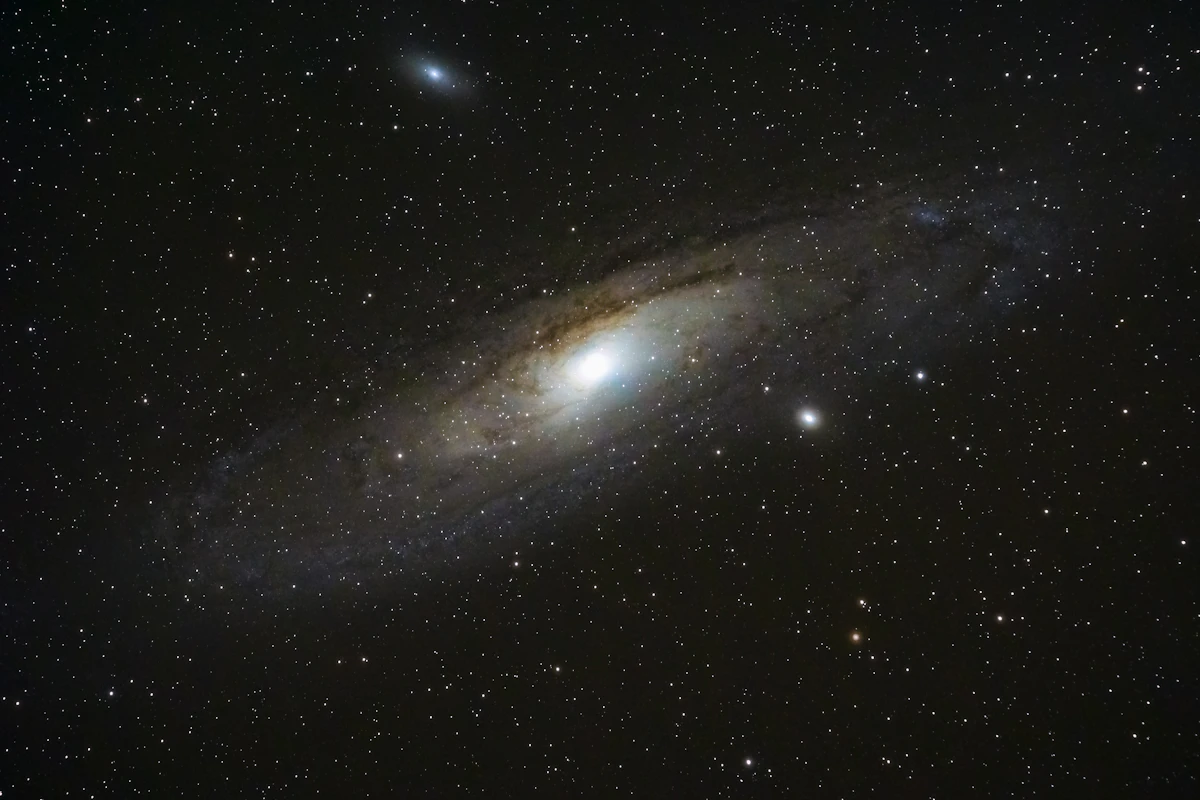
If the cosmos is fundamentally indifferent to human grief, whence arises our moral imperative to kindness?

When we look out into the interstellar void across billions of light years, galaxies collide and black holes tear stellar systems apart without a shred of malice or mercy. The cosmos does not weep when an empire crumbles or a child suffers.

If the cosmos is fundamentally indifferent to human grief, whence arises our moral imperative to kindness?
2 Structured Perspectives
Explore all angles →
0
Soren Lindqvist@soren_abyss
pollinc/the-examined-life
Question#Philosophy

Is free will an actual generative power or a retrospective narrative woven by the brain?

Benjamin Libet's famous readiness potential experiments revealed that motor cortex activity initiates hundreds of milliseconds before the conscious subject reports the decision to act. Modern neuroimaging continues to verify that choices can be predicted before the actor is consciously aware of choosing.

Yet, our entire existential architecture—moral accountability, dignity, remorse, and striving—rests upon the conviction that we could have chosen otherwise.

11 total perspective votes
0